
Exchange Rates In The Current Market 10 Top Tips
Knowing the current exchange rates in our global economy is crucial for financial planning. This is true for anyone who travels abroad, runs international business, or manages investments in foreign currencies. Exchange rates are used to determine the worth of a currency versus another. This could have a significant impact on costs, pricing strategies and the value of investments. The fluctuation of exchange rates could affect your travel expenses as well as your profit margins in business transactions, or the returns you earn from your portfolio of investments. To make sense of these issues, consider the following top ten detailed tips for controlling current exchange rates in your financial activities.
1. Keep up-to-date with real-time exchange Rates
It is important to be aware of the current exchange rate so that you can make informed decisions when converting currencies. Utilize reliable financial news websites as well as currency converter apps and your bank's online services to find the most recent rates. Websites like XE.com or OANDA provide current information to help companies and travellers budget effectively. If you're planning a trip to Europe For instance knowing the exchange rate currently in effect for the euro can help you manage your expenses and prevent surprises.
2. Understand the Spread between Bid and Ask
– The bid-ask spread is the difference between price at which you can buy currency (ask price) and the price you are able to trade it (bid price). The spread between currency exchanges and financial institutions can be very different. A narrower spread is generally preferred because it means you'll receive an exchange rate that is better than other currencies. If, for instance, you find a bank in the United States that offers an offer price of USD 1.10 and a ask price EUR 1.15, the spread is 0.05. Knowing this difference can allow you to make better informed decisions on which and when to exchange money.
3. Utilize Online Currency Conversion Tools
Apps for currency conversion and online tools are very useful in managing exchange rate fluctuations. Wise previously TransferWise, and Revolut offer not only live exchange rates, but also the ability to convert currencies at affordable rates. These platforms offer tools like historical data and rate alerts, which help you to identify trends and make timely decisions. For instance, if you're watching the USD-JPY exchange rate, you may want to set up an alarm that will alert you to the possibility of a favorable exchange rate.
4. Assess Currency Risk within Business and Investments
Risks of currency exchange or risk can influence international investment returns and business profits. Changes in exchange rates can affect the value of contracts, sales, or investments. Hedging strategies can help mitigate this risk by using financial instruments to secure exchange rates for future trades. It is possible to use a forward contract to secure current exchange rates, thereby safeguarding your earnings from fluctuations.
5. Ask about Fees and Charges
Conversion fees for currencies vary between banks and exchange services. The fees may include commissions, service fees and transaction fees. They could reduce your earnings or increase expenses for travel. Always inquire about these fees prior to making any exchange. Travelers may wish to utilize international ATMs and credit cards which do not charge foreign transaction fees. Comparing the charges and exchange rates offered by different providers will help you find the best deal.
6. Timing Your Currency Exchange
– When you exchange your currency can be a major influence on the amount that you receive. Exchange rates fluctuate due to the political climate and market trends. These elements can be monitored to determine when the most appropriate time is to exchange currencies. It may be advantageous to wait until the currency gains strength if you think that the country announces positive economic announcements. Being aware of market trends and keeping an eye on global events could help make better financial choices for both investors and travelers.
7. Diversify your Currency holdings
for businesses and investors having diversified currency portfolios can serve as a hedge against fluctuations in currency. The holding of multiple currencies can serve as protection against negative fluctuations in any one currency. This strategy is particularly beneficial for businesses operating in multiple markets around the world. This allows for more flexibility in pricing and payment. A U.S. investor, for instance, could decide to invest in euros or British pounds to ensure that they is able to benefit from the appreciation of currency. Diversification helps mitigate the risks of currency fluctuations.
8. Local currency is preferred by travelers
If you are traveling internationally Always try to make use of the local currency to make transactions. If you make use of the currency you use at home to pay, it could frequently result in unfavorable rates for exchanges and higher charges. If you want to withdraw cash, you will get better rates by using the local currency because ATMs are more competitive than currency changers. To make your trip more affordable make sure you are familiar with the common rates of exchange as well as local currency. This practice can help manage your finances more effectively.
9. Research Economic Indicators
Indicators such as the inflation rate, interest rate and growth of gross domestic product (GDP) could provide an indication about potential currency movements. For example, a country experiencing high inflation may have its currency fall against others. Understanding these indicators will aid investors and businesses in making more informed choices about currency exchanges and investment. Becoming informed of economic forecasts and trends can improve your ability to navigate the world of foreign exchange effectively. These can be tracked using economic calendars, as well as other reports.
10. Speak with a financial professional for large transactions
If you're dealing with large amounts of money or complex transactions, advice from experts in finance or currency analysis can be extremely valuable. They can offer tailored recommendations based on your specific situation and help you navigate the intricacies of foreign exchange markets. This is of particular importance to companies who are involved in international trading, or investors seeking to optimize currency exposure and reduce risk. Get advice from an expert to assist you in making informed decisions that could save you money in the near future.
You can get through the confusing exchange rates with these guidelines. This is the case whether you're in charge of an investment or business or planning a trip or managing your finances. Staying informed and strategic about currency conversions can result in better financial results and success in international engagements. Knowing the intricacies of exchange rates will empower you to make better financial decisions that align with your personal or business goals. Read the best USD to CAD for website info including dinar guru, indian rupees to usd, 1 us dollar in indian rupees, usd to pound sterling, rmb to usd, dollars to pounds, usd to japanese yen, pesos to usd, us dollar to rmb, currency converter and more.
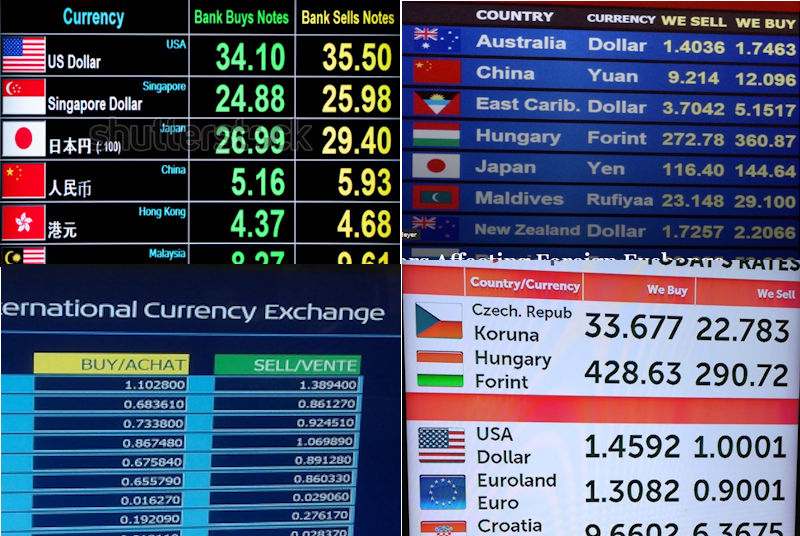
Top 10 Suggestions On Regulatory Considerations In The Context Of Currency Exchange And Rates
Understanding the regulatory requirements is crucial for anyone involved in traveling for business or travel, or managing investments. The regulations vary widely from country to country and can impact everything from exchange rates to taxation, to customs duties and compliance with trade. Understanding the regulations is important to maximize your financial return while avoiding fines and making sure you are in compliance. By familiarizing yourself with the regulatory framework and making informed choices that will enhance your travel experiences, streamline your business processes, and protect your investments. Below are the top ten specific tips to effectively manage regulations in your financial operations.
1. Research Visa Requirements
Research visa and entry requirements in depth prior to traveling to a new country. There are different policies for entry permits, visas, and residency requirements in every country. Be sure to have all the required documents to avoid problems at immigration. Stay informed about any changes in regulations that could hinder your to travel. A number of countries have updated their policies as a response to global events such as the COVID-19 Pandemic.
2. Customs Regulations
Know the regulations and restrictions for the import and exchange of goods within the country of destination. Every country has its own regulations regarding what goods are allowed to be imported without triggering duties or taxes Infractions to these rules could result in penalties, confiscation of goods, or even legal actions. Remember that many countries will have you declare any cash that exceeds an amount.
3. Make sure you are informed of the Foreign Currency Regulations
– Different countries have regulations that govern currency exchanges and international transfer of funds. Research the currency regulations in the country you're traveling to or conducting business with, since there might be limitations regarding the amount that you can exchange or transfer. Understanding these regulations can help you avoid penalties, and ensure you're in compliance with local laws.
4. Consult with local legal experts
If you're conducting business in a foreign country you should consult local legal experts to better understand the regulatory environment. They can provide useful information on local laws, the requirements for compliance, as well as the possible risks associated with business activities. These guidelines can help you navigate complicated regulations and avoid costly errors.
5. Be aware of tax obligations.
Tax laws can differ significantly from one country to the next that affect both businesses and individuals. You should research the taxes you will be subject to when traveling abroad or conducting business, such as taxes on income, VAT, and withholding taxes on payments. It is also important to know whether there are tax agreements between your home country, and the country you are visiting. These may affect the tax obligations you face.
6. Trade Regulations
If you run a business that involves importing and exporting, ensure that you comply with trade rules. This will include import quotas or tariffs. Infractions to these regulations could lead to fines and delays in the shipment of products. Talk to a specialist in trade compliance to get information on the laws that are applicable to your product and industry.
7. Monitor the changes in regulatory Environments
The regulatory environment can be subject to rapid change due economic, political or other social forces. Follow industry news and regulatory updates. Keep up-to-date with any changes that could affect your travel, business or investment. This proactive strategy will keep you in compliance and adapt to any changes to regulations.
8. Understanding Investment Regulations
For investors, understanding the regulatory landscape is critical. Different jurisdictions have differing rules regarding foreign investment as well as restrictions on ownership percentages, reporting requirements, as well as investment vehicle regulations. These rules must be studied thoroughly to avoid penalty and ensure that investments comply with local laws.
9. Compliance Software and Tools
Consider using compliance tools and software that can help you and your business navigate the regulations. These platforms can be useful for monitoring regulatory changes, managing documents, and ensuring compliance with the industry's standards. With the help of compliance software it will help you streamline your operations and decrease the risk of non-compliance.
10. Engage with Local Business Networks
– Networking and interacting with local business organizations can provide useful insights on regulatory matters. By joining local associations, trade chambers or industry groups and interacting with professionals experienced in the regulatory landscape. These contacts can provide practical advice and support in ensuring that you are compliant with local laws.
If you follow these suggestions on regulatory issues to help you navigate the maze of travel or conducting business and analyzing investments more effectively. Knowing the rules of the game will allow you to take more informed decisions that align with your financial objectives, and will help you improve your overall strategy. If you plan to travel for leisure or expand your business abroad or invest across borders knowing the regulatory landscape can help you avoid costly mistakes. Have a look at the most popular CZK to EUR hints for website advice including pound sterling to usd, inr to usd, convert gbp to usd, dollar to php peso, usd to mxn, rmb to usd, us dollar to pkr, us dollar to mexican peso, 1 usd in rupees, colombian peso to usd and more.